The best high-protein foods give you a lot of protein per 100 g and per calorie without costing much: chicken breast, turkey, lean beef, tuna and other fish, eggs and egg whites, Greek yoghurt or skyr, cottage cheese, milk, tofu, tempeh, lentils and beans. Most lifters need around 1.6–2.2 g of protein per kg of bodyweight a day, which is easiest to hit by putting one of these foods at the centre of every meal.
How much protein you’re aiming for
A meta-analysis by Morton and colleagues (2018) found muscle gains levelled off on average around 1.6 g of protein per kg per day; 2.2 g/kg is a safe upper target. For a 75 kg (165 lb) person, that’s 120–165 g a day: about 30–40 g at each of four meals. The full breakdown is in how much protein to build muscle.
The tables below use typical values; brands and cuts vary a little. “Protein per 100 kcal” tells you how lean a food is: the higher, the more protein for the calories, which matters most when you’re in a calorie deficit.
Meat and poultry
| Food (cooked unless noted) | Protein per 100 g | kcal per 100 g | Protein per 100 kcal | Cost tier |
|---|---|---|---|---|
| Chicken breast | 31 g | 165 | 19 g | €€ |
| Turkey breast | 29 g | 135–150 | 20 g | €€ |
| Chicken thigh, skinless | 25 g | 180–210 | 13 g | € |
| Lean beef mince (5 % fat) | 26 g | 170 | 15 g | €€ |
| Beef steak (sirloin, lean) | 28 g | 180–200 | 15 g | €€€ |
| Pork tenderloin | 26 g | 145 | 18 g | €€ |
| Cooked ham (lean slices) | 18–21 g | 110 | 18 g | €€ |
| Beef jerky | 30–40 g | 280–330 | 11 g | €€€ |
Chicken thighs and whole chickens are usually cheaper per gram of protein than breasts; you get a bit more fat, which isn’t a problem unless calories are tight.
Fish and seafood
| Food | Protein per 100 g | kcal per 100 g | Protein per 100 kcal | Cost tier |
|---|---|---|---|---|
| Canned tuna in water (drained) | 25–28 g | 110–120 | 23 g | € |
| Cod, white fish | 18–23 g | 80–105 | 22 g | €€ |
| Salmon | 20–25 g | 180–210 | 11 g | €€€ |
| Sardines, canned | 22–25 g | 200 | 11 g | € |
| Prawns/shrimp | 20–24 g | 95–100 | 23 g | €€ |
| Canned mackerel | 19–21 g | 200–230 | 9 g | € |
Oily fish such as salmon, sardines and mackerel also bring omega-3 fats. Canned fish is one of the cheapest high-quality proteins there is.
Eggs and dairy
| Food | Protein per 100 g | kcal per 100 g | Protein per 100 kcal | Cost tier |
|---|---|---|---|---|
| Whole eggs | 13 g | 145 | 9 g | € |
| Liquid egg whites | 10–11 g | 50 | 21 g | €€ |
| Skyr / Greek yoghurt 0 % | 10–11 g | 55–60 | 18 g | €€ |
| Greek yoghurt 2 % | 9–10 g | 75 | 13 g | €€ |
| Cottage cheese | 11–12 g | 85–100 | 13 g | € |
| Quark (low-fat) | 12 g | 65–70 | 18 g | € |
| Milk (semi-skimmed) | 3.5 g | 47 | 7 g | € |
| Mozzarella, light | 18–22 g | 160–190 | 11 g | €€ |
| Parmesan | 33–35 g | 390 | 9 g | €€€ |
Dairy is the easiest way to add protein without cooking: a 250 g pot of skyr gives about 25 g of protein for 150 kcal.
Plant proteins
| Food | Protein per 100 g | kcal per 100 g | Protein per 100 kcal | Cost tier |
|---|---|---|---|---|
| Lentils, cooked | 9 g | 115 | 8 g | € |
| Chickpeas, cooked | 8–9 g | 165 | 5 g | € |
| Black/kidney beans, cooked | 8–9 g | 125–130 | 7 g | € |
| Firm tofu | 12–17 g | 120–145 | 11 g | € |
| Tempeh | 19–20 g | 190 | 10 g | €€ |
| Seitan | 20–25 g | 120–150 | 17 g | €€ |
| Edamame | 11–12 g | 120 | 10 g | €€ |
| Soy milk (unsweetened) | 3–3.5 g | 35–40 | 9 g | € |
| Peanut butter | 25 g | 590 | 4 g | € |
| Oats (dry) | 13 g | 380 | 3 g | € |
Legumes are cheap and full of fibre but not very concentrated: you need a big bowl to get 20 g of protein. Tofu, tempeh and seitan are more concentrated. If you eat mostly plants, our vegan muscle building guide covers protein quality and leucine.
Nuts and peanut butter are often listed as “protein foods,” but with 4 g of protein per 100 kcal, they’re really fat sources that happen to contain protein. Great for a bulk, not for hitting protein on a cut.
Protein powders
| Product | Protein per 100 g | Protein per scoop (~30 g) | Cost tier |
|---|---|---|---|
| Whey concentrate | 70–80 g | 21–24 g | € (bought in large bags) |
| Whey isolate | 85–90 g | 25–27 g | €€ |
| Soy or pea protein | 75–85 g | 22–25 g | €€ |
| Casein | 75–80 g | 22–24 g | €€ |
Protein powder is food, not magic, but per gram of protein it’s often as cheap as anything in the supermarket. See our whey protein guide.
The best value proteins
Prices vary too much between countries and shops for exact figures, but these are almost always near the top for protein per euro, pound or dollar:
- Dried lentils, beans and split peas
- Eggs
- Milk and quark
- Canned tuna, sardines and mackerel
- Frozen chicken (thighs or breasts)
- Plain whey in large bags
- Cottage cheese
- Tofu
How to compare at your supermarket: price ÷ (protein per 100 g × grams in the pack ÷ 100) = cost per gram of protein. Multiply by 20 to get the cost of a 20 g serving.
Easy ways to build meals around protein
- Breakfast: skyr bowl with oats and fruit (30 g); 3 eggs + 100 g egg whites on toast (30 g); protein oats made with milk and a scoop of whey (40 g).
- Lunch: tuna and bean salad (35 g); chicken wrap (35 g); leftover chilli with lean mince and beans (35 g).
- Dinner: salmon, rice and vegetables (30 g); tofu stir-fry with edamame (30 g); pork tenderloin and potatoes (35 g).
- Snacks: cottage cheese and pineapple (20 g); a glass of milk and a boiled egg (15 g); beef jerky (15 g per 40 g pack).
High-protein foods on a bulk vs a cut
- On a cut: favour foods with 15+ g of protein per 100 kcal: chicken and turkey breast, white fish, tuna, egg whites, skyr, quark, prawns, seitan.
- On a bulk: fattier options make calories easier: whole eggs, salmon, thigh meat, cheese, whole milk, peanut butter. See how to bulk.
Eating enough protein is half the job
Protein gives your body material; training gives it a reason to build. If you’re hitting your protein target and your lifts are climbing, you’re on track. Brick handles the training side: it shows your previous weights and reps on every set, flags PRs and charts estimated strength for each exercise, so you can see the results of all those eggs and yoghurts.
Frequently asked questions
What food has the most protein per 100 g?
Among everyday foods, dried or cured lean meats, parmesan, and protein powders top the list, at 30–80 g per 100 g. Among normal meal foods, cooked chicken breast, lean beef, tuna and turkey give about 25–32 g per 100 g.
What is the cheapest source of protein?
Usually dried lentils, beans and split peas, followed by eggs, milk, canned tuna or sardines, frozen chicken, and plain whey bought in large tubs. Prices vary by country, so compare the cost per 20 g of protein at your own supermarket.
What are good high-protein snacks?
Greek yoghurt or skyr, cottage cheese, boiled eggs, a glass of milk, beef jerky, roasted edamame or chickpeas, and a slice of cheese with fruit. Each gives 10–25 g of protein without any cooking.
Are eggs high in protein?
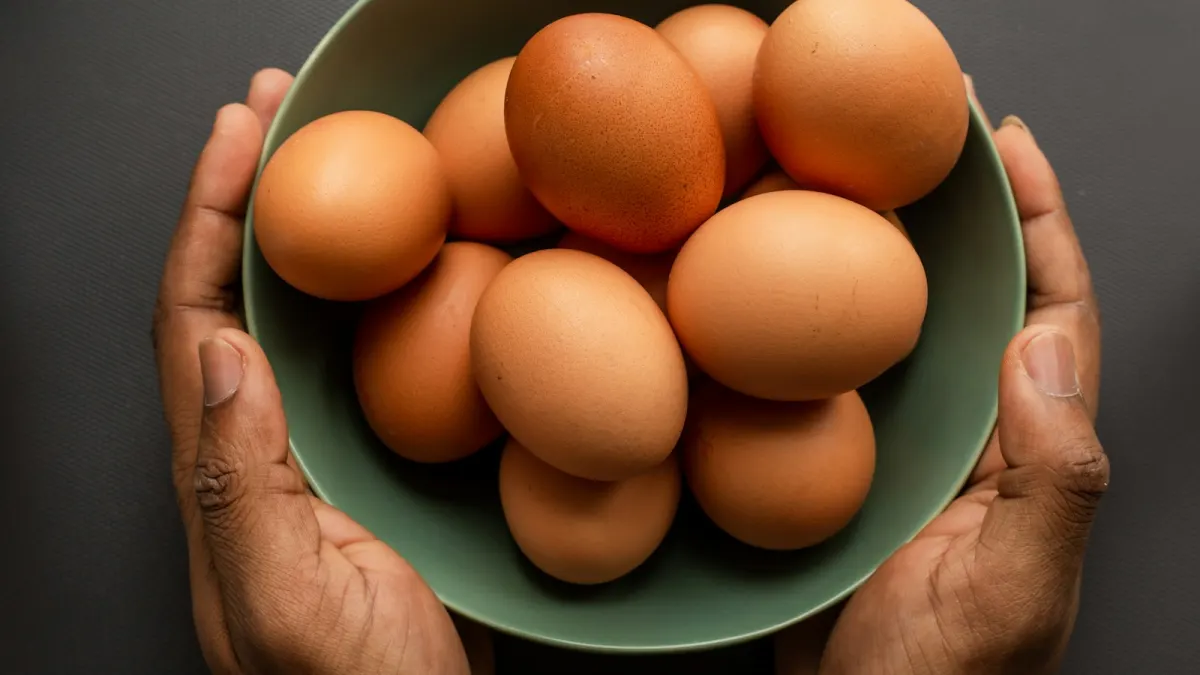
Moderately: about 13 g per 100 g, or 6–7 g per large egg. They're excellent quality protein and cheap, but you need three or four to reach a meal's worth of protein, so pairing them with egg whites, yoghurt or cheese helps.
Sources
- Morton RW, Murphy KT, McKellar SR, et al., Phillips SM (2018). A systematic review, meta-analysis and meta-regression of the effect of protein supplementation on resistance training-induced gains in muscle mass and strength in healthy adults. British Journal of Sports Medicine