Cardio and weight training work well together. In normal amounts, cardio doesn’t reduce muscle growth or strength, and it’s good for your heart, your recovery between sets and your overall health. The “interference effect” is real but small, and it mainly shows up with a lot of hard cardio (especially running) close to leg sessions, and in explosive power. For most lifters: do two or three cardio sessions a week, keep most of it easy, and put it after lifting or on separate days.
Does cardio interfere with gains?
The worry comes from older studies showing that endurance training can blunt strength and power gains. Newer, larger analyses give a more reassuring picture.
An updated meta-analysis found that adding aerobic training to strength training did not compromise gains in muscle size or maximal strength, while explosive strength was somewhat reduced, particularly when both were done in the same session (Schumann et al., 2022). Another meta-analysis found the interference on maximal strength appeared mainly in people who were already well trained, not in untrained or moderately trained people (Petré et al., 2021).
The type and amount of cardio also matter. An earlier meta-analysis found that interference increased with the frequency and duration of endurance training, and that running interfered more with strength and muscle gains than cycling (Wilson et al., 2012). A likely reason: running involves lots of impact and eccentric stress on the legs, while cycling is gentler and more similar to leg training.
Bottom line: if you’re a regular gym-goer doing a few cardio sessions a week, you don’t need to worry. If you’re a serious lifter adding a lot of hard running, plan it carefully.
Why lifters should do cardio anyway
- Health. The World Health Organization recommends 150–300 minutes of moderate aerobic activity a week (or 75–150 minutes vigorous) for adults, alongside muscle-strengthening activity on two or more days (Bull et al., 2020).
- Better workouts. Better conditioning helps you recover between sets and handle high-rep leg work.
- Fat loss. Cardio adds to your calorie deficit without needing to eat less.
- Recovery. Easy cardio on rest days can help you feel less stiff.
Cardio before or after lifting?
| Situation | Order |
|---|---|
| Strength and muscle are the priority | Lift first, cardio after, or on a separate day |
| Endurance is the priority (e.g. training for a race) | Cardio first, or separate sessions |
| Easy warm-up | 5 minutes of easy cardio before lifting is fine |
| Hard intervals and leg day | Separate them by at least several hours, ideally different days |
Hard cardio before lifting tires your muscles and lowers the weights and reps you can do. Easy cardio for a few minutes as a warm-up does the opposite: it gets you ready.
How much cardio?
| Goal | Suggested weekly cardio |
|---|---|
| Building muscle | 2–3 × 20–40 min, mostly easy, plus daily walking |
| Fat loss while lifting | Daily steps (8,000–10,000) + 2–4 × 20–40 min |
| General health | 150–300 min moderate, or 75–150 min vigorous |
| Endurance goals | As your sport needs; plan lifting around key sessions |
Start at the lower end and add more if you’re recovering well and your lifts are progressing. If your leg training starts to suffer, reduce the hard cardio first.
Best types of cardio for lifters
| Type | Impact on joints | Interference with legs | Notes |
|---|---|---|---|
| Cycling | Low | Low | Easy to dose, great after leg day |
| Incline walking | Low | Low | Very easy to recover from |
| Rowing | Low | Low–moderate | Works the whole body |
| Swimming | None | Low | Good for recovery days |
| Running | High | Moderate–higher | Fine in moderation; build up gradually |
| HIIT / sprints | Varies | Higher | Time-efficient, more fatiguing |
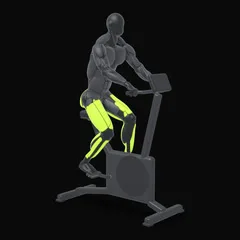
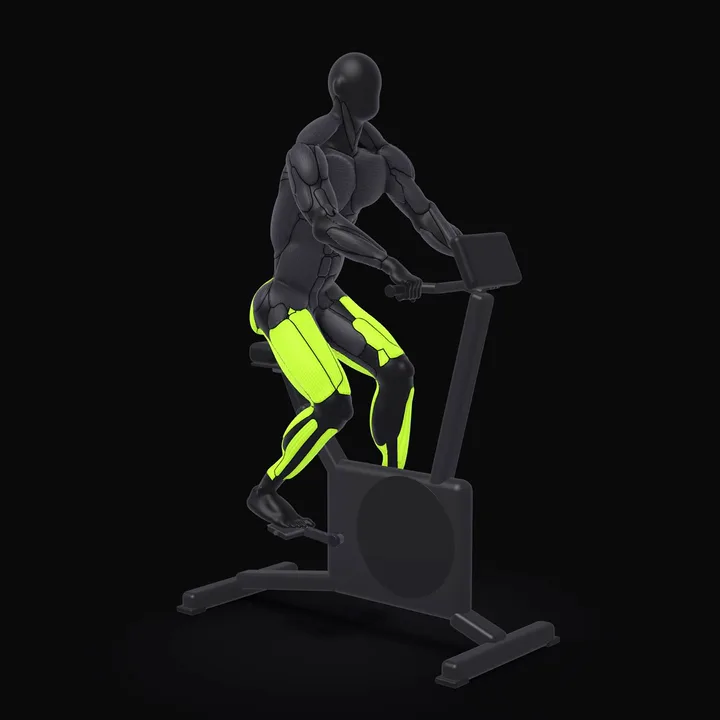 Stationary BikeSet the seat height so your knee stays slightly bent at the bottom of the pedal stroke. Sit with a straight back and hold the handlebars lightly.How to do the Stationary Bike →
Easy vs hard cardio
Most of your cardio should be easy, a pace at which you could hold a conversation. It improves heart health and recovery with little fatigue. Add one shorter, harder session a week if you enjoy it or want to improve conditioning: for example 6–10 × 30 seconds hard on a bike with 90 seconds easy in between. Keep hard sessions away from the day before heavy leg training.
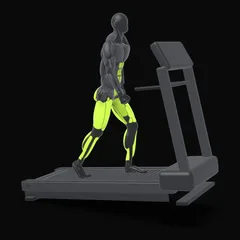
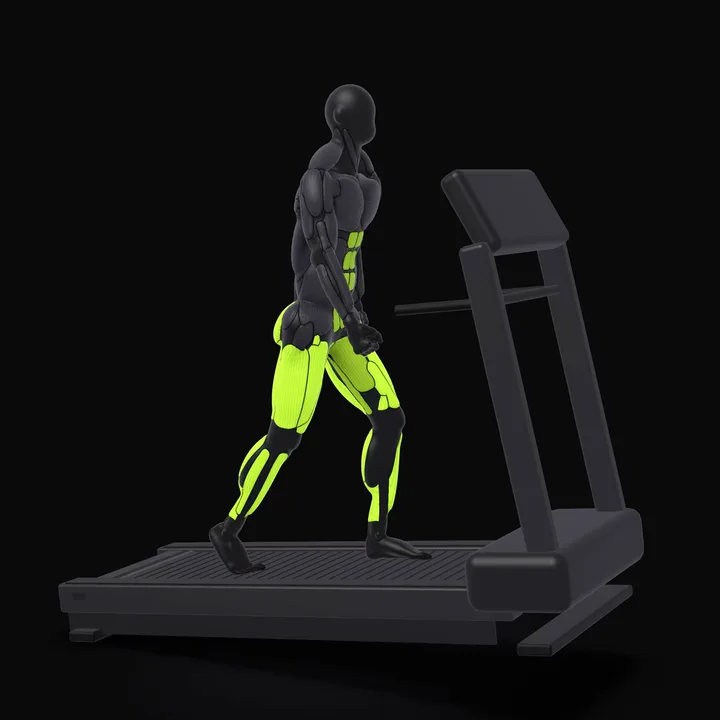 Treadmill Incline WalkStart walking at a slow speed and gradually raise the incline. Walk with an upright torso and a natural stride.How to do the Treadmill Incline Walk →
Same session or separate days?
If you can, separate hard cardio and lifting by at least six hours, or put them on different days. That gives your muscles time to recover and keeps both sessions high quality. If you only have one window, lift first and finish with 15–30 minutes of easy cardio. That combination is very manageable and, in most research, doesn’t hold back muscle growth.
Some practical pairings:
- Upper body day + any cardio: the easiest combination; your legs are fresh for cycling or running.
- Leg day + easy cycling or walking: fine, and can help you feel less stiff the next day.
- Leg day + hard intervals or a long run: the most likely to interfere. Avoid it if leg strength matters to you.
Cardio when bulking or cutting
During a bulk, cardio raises your calorie needs, so eat a bit more to keep gaining at your target rate; it’s a good way to keep conditioning and appetite healthy while you gain. During a cut, cardio helps create the deficit, but start small and add gradually, so you have something left to add when fat loss slows.
Sample week: lifting 4 days + cardio
| Mon | Tue | Wed | Thu | Fri | Sat | Sun |
|---|---|---|---|---|---|---|
| Upper | Lower | 30 min easy bike | Upper + 15 min incline walk | Lower | 40 min easy cardio or sport | Rest / walk |
Lifting stays the priority; cardio slots in where it doesn’t compete. For four-day lifting templates, see the 4 day workout split.
Track both
If your lifts suddenly stall after you add cardio, the log will show it. Watching your estimated strength on squats and deadlifts while you increase cardio is the easiest way to find your personal limit.
If you’re adding cardio to lose fat, the cutting workout plan shows how to balance it with lifting during a diet, and calorie deficit to lose fat covers the nutrition side.
Frequently asked questions
Does cardio kill gains?
No, not in normal amounts. Research shows that combining cardio with strength training generally doesn't reduce muscle growth or maximal strength. Large amounts of hard cardio, especially running, can interfere somewhat with leg strength and power.
Should I do cardio before or after lifting?
After, or on a separate day, if strength and muscle are your priority. Hard cardio before lifting tires you and lowers the quality of your sets. Easy cardio as a 5-minute warm-up is fine.
How much cardio can I do while building muscle?
Two to three sessions of 20 to 40 minutes a week is a comfortable amount for most lifters, plus daily walking. You can do more if you enjoy it; just watch whether your leg training suffers and adjust.
What's the best cardio for lifters?
Cycling, incline walking, rowing and swimming are easy on the joints and interfere less with leg training than lots of running. Choose what you enjoy enough to do consistently.
Is HIIT better than steady cardio for lifters?
Not necessarily. HIIT is time-efficient for fitness but adds more fatigue, especially for the legs. Easy steady cardio is easier to recover from. A mix of mostly easy sessions with an occasional hard one works well.
Sources
- Schumann M, Feuerbacher JF, Sünkeler M, Freitag N, Rønnestad BR, Doma K, Lundberg TR (2022). Compatibility of Concurrent Aerobic and Strength Training for Skeletal Muscle Size and Function: An Updated Systematic Review and Meta-Analysis. Sports Medicine
- Wilson JM, Marin PJ, Rhea MR, Wilson SM, Loenneke JP, Anderson JC (2012). Concurrent training: a meta-analysis examining interference of aerobic and resistance exercises. Journal of Strength and Conditioning Research
- Petré H, Hemmingsson E, Rosdahl H, Psilander N (2021). Development of Maximal Dynamic Strength During Concurrent Resistance and Endurance Training in Untrained, Moderately Trained, and Trained Individuals: A Systematic Review and Meta-analysis. Sports Medicine
- Bull FC, Al-Ansari SS, Biddle S, Borodulin K, Buman MP, Cardon G, Carty C, Chaput JP, et al. (2020). World Health Organization 2020 guidelines on physical activity and sedentary behaviour. British Journal of Sports Medicine