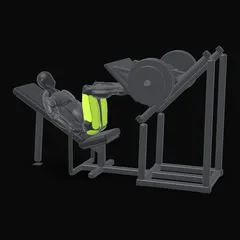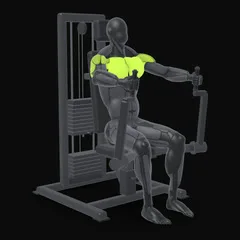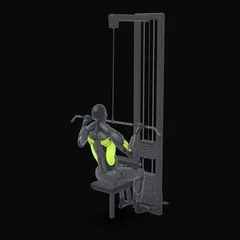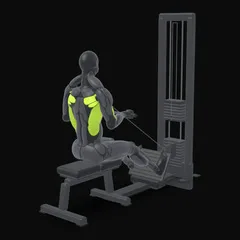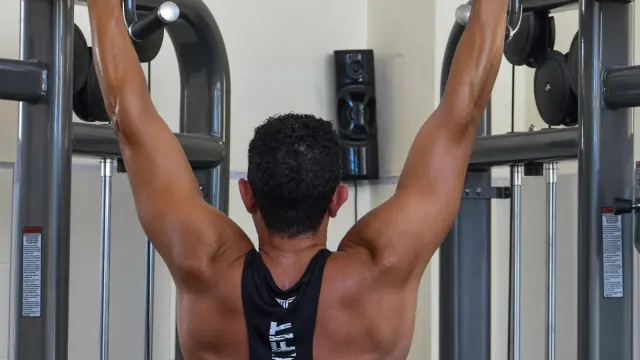
Gym anxiety (sometimes called “gymtimidation”) is the nervous, self-conscious feeling many people get when walking into a gym, especially the first few times or in the free-weight area. It’s extremely common and it fades with familiarity. What helps most: going at quiet times, arriving with a written plan on your phone, starting with simple machines, and repeating the same routine until the place feels like yours. Nobody is watching you as closely as you think.
Why the gym feels intimidating
Common worries, and what’s actually true:
| What you worry about | Reality |
|---|---|
| “Everyone will look at me.” | People are absorbed in their own sets, music and phones. |
| “I won’t know how to use the equipment.” | Machines have instructions, staff are there to help, and you can look exercises up beforehand. |
| “I’ll look weak.” | Everyone started somewhere. Nobody remembers what you lifted. |
| “I’ll do something wrong and get told off.” | Gym rules are simple and mostly about sharing and re-racking. |
| “I don’t belong there.” | Gyms are full of ordinary people of every age, shape and level. |
Knowing this doesn’t make the feeling go away instantly. What makes it go away is repeated, uneventful visits.
1. Pick the right time
Peak hours are usually weekday evenings (about 17:00–19:30) and Monday nights. Quiet times are typically:
- Mid-morning (9:30–11:30)
- Early afternoon (13:30–16:00)
- Late evening (after 20:30)
- Weekend afternoons
Many gyms show live occupancy in their app or on their website. In the first weeks, going at quiet times gives you space to learn without feeling watched. Once you’re comfortable, busy times will bother you much less.
2. Walk in with a plan
Not knowing what to do next is the biggest source of awkwardness: wandering around, hovering near equipment. A written plan solves it.
Your plan should list:
- The exercises, in order
- Sets, reps and a starting weight
- A back-up exercise in case something is busy
Keep it on your phone so you can glance at it between sets. Brick works well for this: you open your routine, see each exercise with a 3D animation of how it’s done, and log each set with one tap, with last time’s numbers already filled in. On an Apple Watch you can even log sets from your wrist with the Digital Crown and leave your phone in your bag.
3. Start with machines
Machines are perfect for nervous beginners: they guide the movement, have instructions printed on them, and you can change the weight with a pin. A simple first routine:
| Exercise | Sets × reps |
|---|---|
| Leg Press | 2–3 × 10–12 |
| Machine Chest Press | 2–3 × 10–12 |
| Cable Lat Pulldown | 2–3 × 10–12 |
| Cable Seated Row | 2–3 × 10–12 |
| Leg curl machine | 2 × 12 |
| Plank | 2 × 20–30 s |
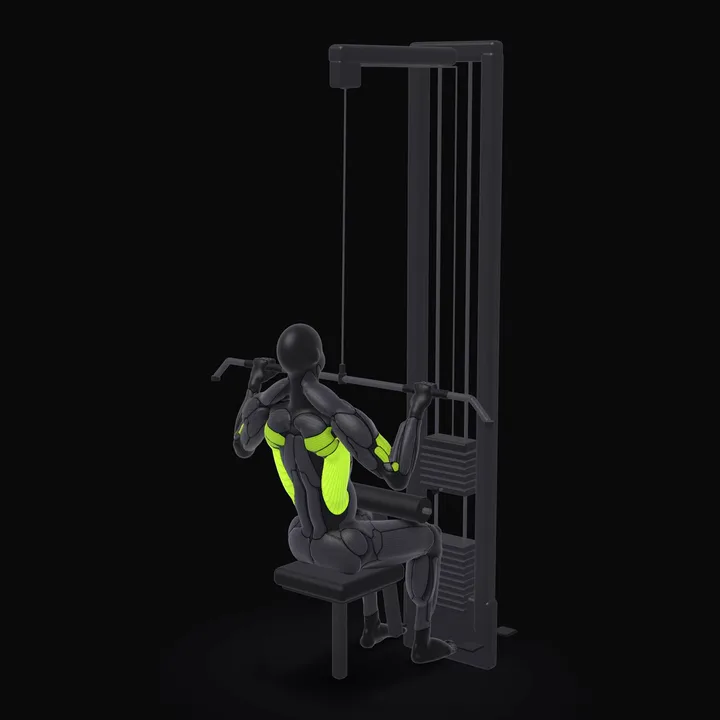 Cable Lat PulldownAdjust the thigh pad to lock your legs in and grab the wide bar slightly wider than your shoulders. Sit with your chest up and lean back slightly.How to do the Cable Lat Pulldown →
Start light enough that the last rep of each set feels moderately hard but clean. For a full plan, see our beginner gym workout plan.
4. Learn free weights in small steps
When machines feel easy and familiar, add one free-weight exercise at a time: dumbbell presses on a bench in a quiet corner, a goblet squat with a single dumbbell. Barbell lifts can come later. Watch a video or animation first, practise with light weights, and don’t worry if your first sets look clumsy. Everyone’s did.
5. Use small comfort tools
- Headphones: a personal bubble. Even without music, they signal “focused.”
- A regular spot: a corner or the same machines each time.
- Comfortable clothes you don’t have to think about.
- A water bottle and towel: something to do with your hands during rests.
- A friend for the first few sessions, if that helps; then try going alone.
6. Know the basic rules
Much anxiety comes from fearing you’ll break an unwritten rule. They’re simple: re-rack your weights, wipe the bench, don’t hog equipment, ask “how many sets left?” if you want to work in. That’s most of it. Read our short guide to gym etiquette and you’ll know more than half the people there.
7. Repeat the same routine
Doing the same workout three times a week for a few weeks is good training for a beginner, and it’s also the fastest cure for anxiety. By visit six, you know where everything is, what to do, and how it feels. That’s when the gym stops being a scary place and becomes just a place.
8. Track small wins
Anxiety focuses your attention on what might go wrong. A log shifts it to what’s going right: two more reps on the leg press, five extra kilos on the pulldown, your third week in a row. Those small, concrete wins build a sense that you belong there far more effectively than telling yourself to “be confident.” After a month, scroll back through your sessions and compare your first week with your fourth. Most people are surprised how far they’ve come.
If you’re really not ready yet
You can start at home: a few weeks of bodyweight training builds basic strength and confidence; see home workout with no equipment. Some people book one or two sessions with a personal trainer just to get a tour and learn the machines. Many gyms offer a free induction; ask at reception.
What your first visit could look like
- Go at a quiet time, plan ready on your phone.
- Walk on a treadmill or bike for 5 minutes to settle in.
- Do your 4–6 machine exercises, 2–3 sets each.
- Leave after 40–45 minutes, before you’re exhausted.
- Book your next session before you leave.
The step-by-step version is in first time at the gym. And once the first few sessions are behind you, the challenge shifts from anxiety to habit: see how to stay consistent at the gym.
Frequently asked questions
Is gym anxiety normal?
Very. Many people feel self-conscious when they start, or when they move from machines to the free-weight area. It usually fades within a few weeks of regular visits, once the place and the routine become familiar.
What's the best time to go to the gym if I'm nervous?
Mid-morning, early afternoon and late evening are usually quietest. Avoid weekday evenings between about 17:00 and 19:30 and Monday nights, which are peak times almost everywhere. Ask staff when it's quiet; they know.
What if I don't know how to use a machine?
Look for the instruction sticker on the machine, check a video or animation of the exercise beforehand, or ask a staff member. Asking is normal and most people are happy to help. Gym staff are paid to do exactly this.
Are people judging me at the gym?
Almost never. Most people are focused on their own workout, music and rest timer. When regulars notice a beginner, the usual reaction is respect for showing up.