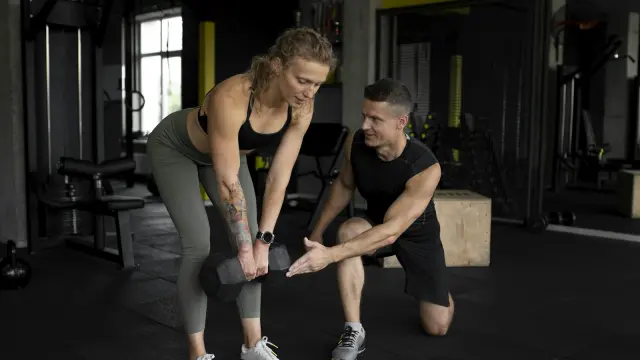
A good mobility routine for lifters takes about 10 minutes and targets the four areas that most often limit the big lifts: hips, ankles, upper back (thoracic spine) and shoulders. Do it as part of your warm-up, using active, controlled movements rather than long static holds. Below is a full routine with timings, plus targeted add-ons if your squat depth or overhead position is the problem.
Why lifters need mobility (and why less than you think)
Mobility is your ability to actively move a joint through its range and control it there. For lifting, it decides whether you can hit a deep squat with your heels down, hold a bar overhead without arching your back, or set up for a deadlift with a neutral spine.
Here’s the encouraging part: lifting itself is mobility training. A meta-analysis by Afonso and colleagues (2021) found that strength training through a full range of motion improved range of motion about as much as stretching programs did. So the best mobility plan is lifting with full, controlled ranges, plus a short routine to prepare your joints and work on a specific limitation.
The 10-minute mobility routine
Do it before training, after 3–5 minutes of light cardio. Move slowly and with control; you should feel a stretch and some effort, never pain.
| # | Drill | Target | Dose |
|---|---|---|---|
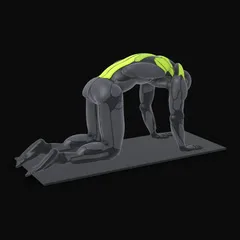
| 1 | Cat-cow | Spine | 8–10 slow reps |
| 2 | Quadruped thoracic rotation (hand behind head) | Upper back | 8 per side |
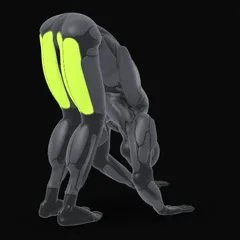
| 3 | Inchworm | Hamstrings, shoulders, core | 5 slow reps |
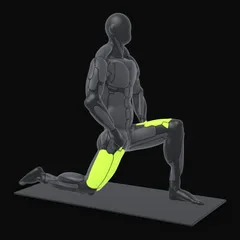
| 4 | Kneeling Hip Flexor Stretch (active, squeeze glute) | Front of hips | 2 × 30 s per side |
| 5 | Knee-to-wall ankle rocks | Ankles | 10 per side |
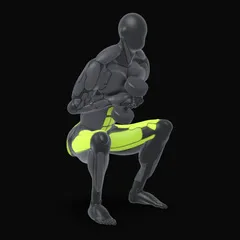
| 6 | Dumbbell Goblet Squat hold, prying knees out | Hips, ankles, squat position | 3 × 20–30 s |
| 7 | Wall slides or band pull-aparts | Shoulders, upper back | 12–15 reps |
| 8 | Arm Circles or band dislocates | Shoulders | 10 each direction |
Total: about 10 minutes. Then go straight into ramp-up sets of your first exercise; see how to warm up before lifting for that part.
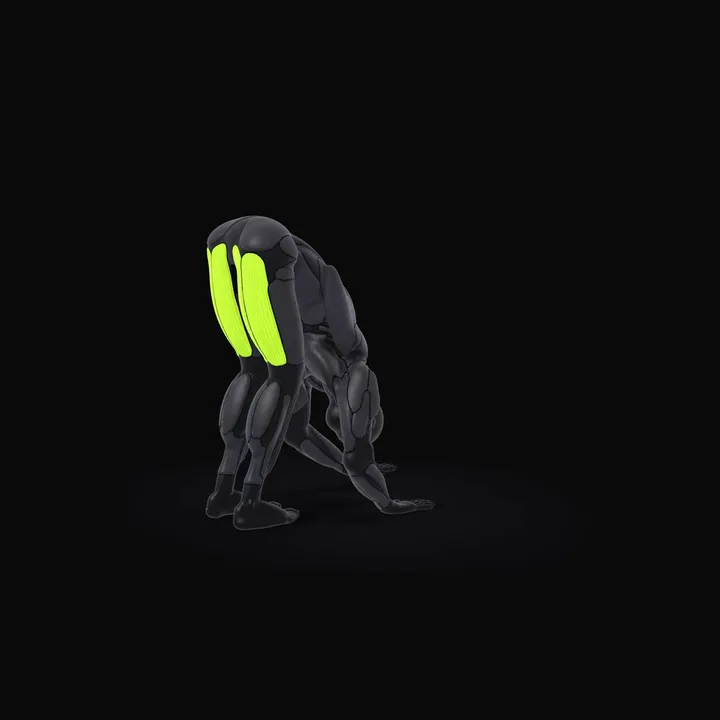 InchwormStand with your feet close together. Keeping your legs straight, stretch down and put your hands on the floor directly in front of you. This will be your starting position. Begin by walking your hands forward slowly, alternating your left and your right. As you do so, bend only at the hip, keeping your legs straight.How to do the Inchworm →
How to do the key drills
Thoracic rotation. On hands and knees, place one hand behind your head. Rotate that elbow down toward the opposite wrist, then up toward the ceiling as far as you can, following it with your eyes. Keep your hips still. This opens the upper back for squatting with a bar on your back and pressing overhead.
Inchworm. Stand with your feet together, hinge forward with straight legs and put your hands on the floor (bend your knees slightly if you can’t reach). Walk your hands out to a push-up position without letting your hips sag, then walk your feet in toward your hands with your legs straight. Five slow reps stretch the hamstrings and wake up the shoulders and core.
Active hip flexor stretch. Half-kneeling, tuck your pelvis under and squeeze the glute of the back leg. You’ll feel the front of that hip stretch without leaning forward. Hold 30 seconds, breathing slowly.
Knee-to-wall ankle rocks. Stand facing a wall in a split stance, front foot a few centimetres from the wall. Push the front knee forward over the toes to touch the wall without lifting the heel. Move the foot back as you improve. A gap of about 10 cm (4 in) from toe to wall is a reasonable target for squatting.
Goblet squat hold. Hold a dumbbell or kettlebell at your chest, sit into a deep squat, and use your elbows to gently push your knees out. Shift side to side. It’s one of the best squat-specific mobility drills there is.
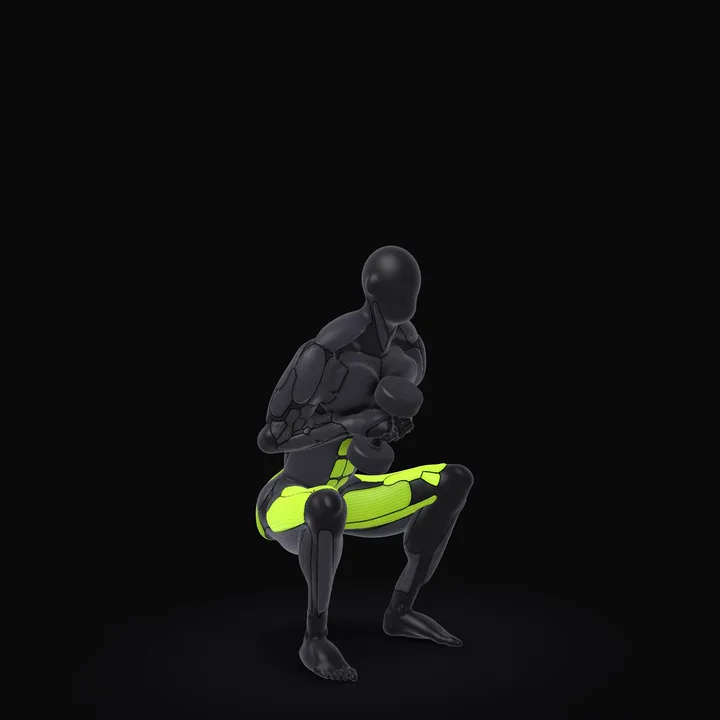 Dumbbell Goblet SquatHold one dumbbell vertically against your chest with both hands. Stand with feet slightly wider than shoulder width.How to do the Dumbbell Goblet Squat →
Targeted add-ons by lift
Squat depth limited
Most often ankles and hips. Add:
- Knee-to-wall ankle rocks: 2 × 15 per side, daily if possible
- Goblet squat holds: 3 × 30 s
- Quadruped hip circles: 8 each direction per side
- Temporary fix: a small heel raise (squat shoes or plates) while the ankles improve
Our guide on how to squat properly covers stance and depth.
Overhead press: lower back arches
Usually upper-back stiffness or tight lats. Add:
- Thoracic rotations and extensions over a foam roller: 10 reps
- Wall slides: 2 × 12
- Lat stretch (hands on a bench, sit hips back): 2 × 30 s
See overhead press form for setup.
Deadlift setup: can’t get into position
Usually hamstrings and hips. Add:
- Hamstring Stretch or a Runner's Stretch: 2 × 30 s per side
- Hip hinges with a dowel along your back: 10 slow reps
- Romanian deadlifts with light weight and a slow lowering, as active mobility
Mobility vs stretching: what’s the difference?
| Mobility drills | Static stretching | |
|---|---|---|
| What it is | Active movement through a range, with control | Holding a lengthened position for 15–60 s+ |
| Best timing | Before training | After training or separate sessions |
| Effect on performance | Prepares you for the session | Long holds right before lifting can reduce strength slightly |
Behm and colleagues (2016) reviewed the research: static stretches held for less than about 60 seconds per muscle, as part of a full warm-up with dynamic work, have only trivial effects on performance. Long holds just before heavy lifting can reduce strength slightly. That’s why the routine above uses short, active holds. More on this in stretching before or after a workout.
Make it stick
Mobility improves slowly and fades if you stop. Two ways to make it automatic:
- Make it the first “exercise” of your workout, so it happens every time.
- Track one marker: your knee-to-wall distance, squat depth, or how close your arms get to the wall in an overhead reach. Re-test every few weeks.
In Brick, you can add the routine to the start of your workout routines like any other exercise, so it shows up in order every session. With 800+ exercises in the library, each with a 3D animation, it’s easy to check how a drill should look.
Frequently asked questions
Is mobility the same as flexibility?
Not quite. Flexibility is how far a joint can be moved, often passively. Mobility is how far you can actively move and control it. Lifters care about mobility: being able to reach a position under load and stay stable there.
How often should I do mobility work?
A short routine before most sessions is enough for most lifters. If one area is clearly limiting you (say, ankles in the squat), add a few minutes of targeted work on rest days as well, for at least 6–8 weeks.
Do I need mobility work if I lift through a full range of motion?
Less than you'd think. Lifting through a full range of motion improves mobility on its own. Mobility drills are most useful as a warm-up and for specific positions you can't yet reach comfortably.
Can mobility work prevent injuries?
There's no strong evidence that mobility or stretching routines on their own prevent injuries in lifters. Being able to reach good positions comfortably helps you lift with consistent technique, and managing training load matters more for injury risk.
Sources
- Afonso J, Ramirez-Campillo R, Moscão J, Rocha T, Zacca R, Martins A, et al. (2021). Strength training versus stretching for improving range of motion: a systematic review and meta-analysis. Healthcare
- Behm DG, Blazevich AJ, Kay AD, McHugh M (2016). Acute effects of muscle stretching on physical performance, range of motion, and injury incidence in healthy active individuals: a systematic review. Applied Physiology, Nutrition, and Metabolism