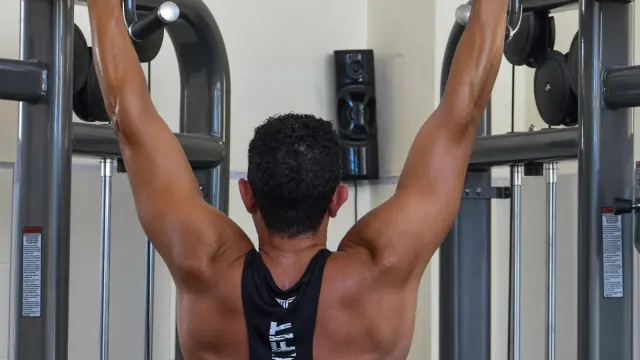
Weight lifting is safe and beneficial for teenagers when it’s supervised, technique-first and progressed gradually. It doesn’t stunt growth or damage growth plates; that’s a myth. Major sports medicine bodies support resistance training for young people because it builds strength, improves sports performance, strengthens bones and reduces injury risk. The real risks come from poor supervision, ego lifting and copying adult bodybuilding programs.
Is weight lifting safe for teenagers?
Yes, when done properly. The 2014 International Consensus on youth resistance training (Lloyd et al.), signed by experts from many countries and organisations, concluded that resistance training is safe and effective for children and adolescents when appropriately designed and supervised. The NSCA position statement (Faigenbaum et al., 2009) reached the same conclusion.
Key points from both:
- The risk of injury is low with qualified supervision and sensible progression.
- Most injuries happen at home or unsupervised, often from dropped weights or misuse of equipment.
- Benefits include greater strength, power and speed, better motor skills, stronger bones, improved body composition, fewer sports injuries and better self-confidence.
The growth plate myth
Growth plates are areas of developing cartilage near the ends of long bones. The worry is that lifting could damage them and stop growth. The International Consensus states plainly that there is no scientific evidence that resistance training harms growth plates or affects growth when it’s properly supervised. In fact, young people experience far greater forces running, jumping and playing sport.
When can you start?
As soon as you can follow instructions and focus on technique. For most teens, the sequence looks like:
| Stage | Typical age | Focus |
|---|---|---|
| Foundations | Any age | Bodyweight squats, push-ups, planks, lunges, rows |
| Light loads | Early teens | Dumbbells, kettlebells, cables, technique with an empty bar |
| Structured strength training | Mid-to-late teens | Barbell lifts with progressive loading, supervised |
Training age (how long you’ve trained properly) matters more than birth date. A 15-year-old who’s never lifted starts at the foundations, not the barbell.
How teenagers should train
Principles
- Technique before load. Every exercise starts light, with perfect form.
- Full-body, 2–3 times a week, on non-consecutive days.
- 1–3 sets of 6–15 reps, stopping 2–3 reps before failure.
- Increase weight slowly: about 5–10 % when all sets feel comfortable.
- No max testing until technique is solid and a coach is present.
- Variety: lifting, sport, sprinting, jumping, play.
A beginner plan for teens
| Exercise | Sets × reps |
|---|---|
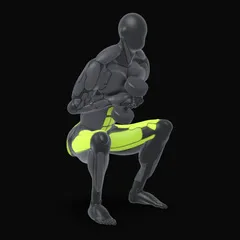
| Dumbbell Goblet Squat | 2–3 × 8–12 |
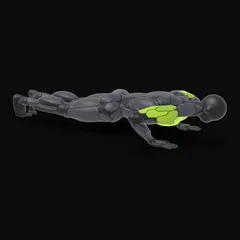
| Push-up (elevated if needed) | 2–3 × 6–12 |
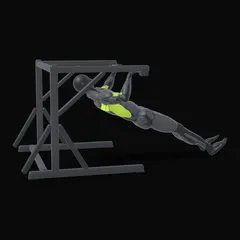
| Inverted Row | 2–3 × 6–12 |
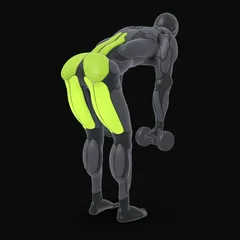
| Dumbbell Romanian Deadlift (light) | 2–3 × 10 |
| Dumbbell shoulder press | 2 × 10 |
| Plank | 2–3 × 20–40 s |
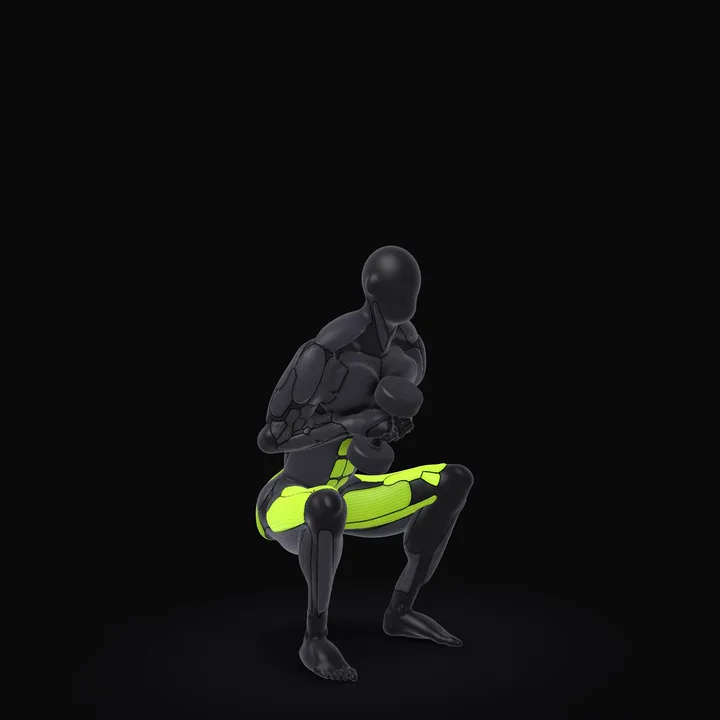 Dumbbell Goblet SquatHold one dumbbell vertically against your chest with both hands. Stand with feet slightly wider than shoulder width.How to do the Dumbbell Goblet Squat →
Rest 1–2 minutes between sets. After 2–3 months with good technique, add barbell versions of squats, presses and deadlifts under supervision. For a full adult-style beginner plan, see the beginner gym workout plan, adjusted to lighter loads and fewer sets at first.
Warm-up
5–10 minutes: light jogging or skipping, dynamic stretches, and a few light sets of the first exercise. See how to warm up before lifting.
Common mistakes teens make
- Copying influencer programs. Six-day splits with 25 sets per muscle are built for adults with years of training, and often for people using drugs.
- Only training the “mirror muscles.” Chest and biceps every day, no legs or back. A balanced full-body plan builds a better physique and fewer injuries.
- Maxing out with friends. Testing a one rep max with poor technique is the most common way teens get hurt.
- Skipping meals. Training hard while under-eating means slow progress and low energy for school and sport.
- Expecting adult results in weeks. Teens get strong fast, but visible muscle takes months.
Lifting alongside sport
Most teens who lift also play sports. Two strength sessions a week on top of team training is plenty during the season; three can work in the off-season. Avoid heavy leg sessions the day before matches, and keep sessions short and focused. Strength training done this way tends to make athletes faster and more robust, not slower or stiffer.
Nutrition and sleep for teens
Teenagers are still growing, so under-eating is a bigger problem than over-eating for most who train.
- Eat regular meals with a protein source each time: eggs, dairy, meat, fish, beans, tofu.
- Don’t diet aggressively. Growing bodies need energy; extreme cutting can affect growth and periods.
- Supplements aren’t needed. Food covers protein needs; see how much protein to build muscle.
- Sleep 8–10 hours. Teens need more sleep than adults, and growth and recovery depend on it.
For parents: what to look for
- Qualified supervision. A coach with a recognised strength and conditioning or youth training qualification, or a well-run school or club program.
- A written plan that starts simple and progresses gradually.
- Technique focus, not who lifts the most.
- A positive atmosphere where kids enjoy training.
- Your teen’s enjoyment. Consistency over years matters more than any single program.
Red flags: maxing out every session, adult bodybuilding routines with 20+ sets per muscle, pressure to use supplements, and no one watching technique.
Tracking helps teens progress safely
Writing down weights and reps shows real, gradual progress and discourages random ego jumps. A teen using Brick sees exactly what they lifted last time on every set, so they can add small increments and watch the trend go up. It’s a good habit to build early. An app is a log, not a coach: someone experienced should still oversee technique and the plan.
What results to expect
- First 2–3 months: big strength gains, mostly from better coordination.
- During and after puberty: faster muscle growth as hormones change.
- Long term: improved sports performance, stronger bones, better body composition, confidence.
Patience matters. Teens who build good habits now will have years of progress ahead. For the bigger picture, see how to build muscle and progressive overload.
Frequently asked questions
Does lifting weights stunt growth?
No. There's no evidence that properly supervised resistance training harms growth plates or reduces adult height. The international consensus on youth training explicitly states that this is a myth. Injuries in youth lifting are mostly linked to lack of supervision and poor technique, not to lifting itself.
What age can you start lifting weights?
Children can start resistance training as soon as they can follow instructions, often around 7–8 years old, with bodyweight and light loads. Teenagers can progress to free weights and heavier loads once technique is solid, with qualified supervision.
Should teenagers take protein powder or creatine?
Most teens can get all the protein they need from food. Supplements aren't necessary; regular meals with protein, enough calories and sleep matter far more. Any supplement use should involve a parent and ideally a doctor.
Can a 14-year-old build muscle?
Yes. Teenagers build strength quickly, especially at first through better coordination. Muscle growth accelerates around and after puberty. Consistent training and enough food will produce visible results.
Sources
- Lloyd RS, Faigenbaum AD, Stone MH, Oliver JL, Jeffreys I, Moody JA, et al. (2014). Position statement on youth resistance training: the 2014 International Consensus. British Journal of Sports Medicine
- Faigenbaum AD, Kraemer WJ, Blimkie CJR, Jeffreys I, Micheli LJ, Nitka M, Rowland TW (2009). Youth resistance training: updated position statement paper from the National Strength and Conditioning Association. Journal of Strength and Conditioning Research