The home gym essentials, in order, are: adjustable dumbbells, an adjustable bench, a pull-up bar (or rings), resistance bands, and a floor mat. That covers almost every movement pattern for building muscle in about 4 m² (40 sq ft). If you have more space and budget, the next step up is a power rack with a barbell and plates, which unlocks heavy squats, bench and deadlifts. Skip gimmicks, buy for the exercises you’ll actually do, and add equipment only when you outgrow what you have.
Before you buy: three questions
- What will you train? Muscle and general strength, powerlifting, conditioning? A powerlifter needs a rack and a barbell; most people get further with dumbbells first.
- How much space? Floor area, ceiling height (overhead press and pull-ups), and floor strength (apartments, upper floors).
- What’s your budget now, and later? Plan a setup that grows rather than buying everything at once.
Tier 1: the minimal home gym (small space, small budget)
| Item | Why | Notes |
|---|---|---|
| Resistance bands (set of 3–5) | Assistance for pull-ups, extra resistance, warm-ups, face pulls | Cheapest high-value item |
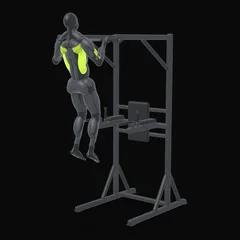
| Doorway pull-up bar | Pull-ups, chin-ups, hanging leg raises | Check your door frame; wall-mounted is sturdier |
| Pair of adjustable dumbbells or a few fixed pairs | Almost every exercise | Aim to go up to at least 20–25 kg (45–55 lb) per hand |
| Floor mat | Comfort, protects floor | Thick puzzle mats or rubber tiles |
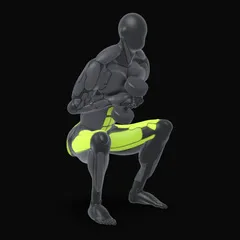
With this alone, you can follow a solid program: goblet squats, dumbbell presses on the floor, rows, Romanian deadlifts, lunges, pull-ups, curls and more. See our dumbbell-only workout plan. If you’re starting with nothing at all, a home workout with no equipment gets you going while you build the setup.
Tier 2: the complete dumbbell home gym (medium budget)
Add:
| Item | Why |
|---|---|
| Adjustable bench (flat, incline, ideally decline) | Unlocks dumbbell bench, incline press, chest-supported rows, step-ups |
| Heavier dumbbells | Legs and back outgrow light dumbbells fast; aim for 30–40 kg (65–90 lb) per hand eventually |
| One kettlebell (16–24 kg for men, 8–16 kg for women to start) | Swings, goblet squats, carries; see the kettlebell workout plan |
| Gymnastic rings | Dips, rows, push-ups at different difficulties |
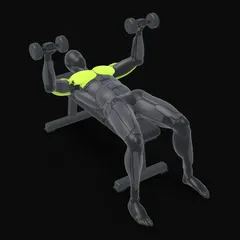
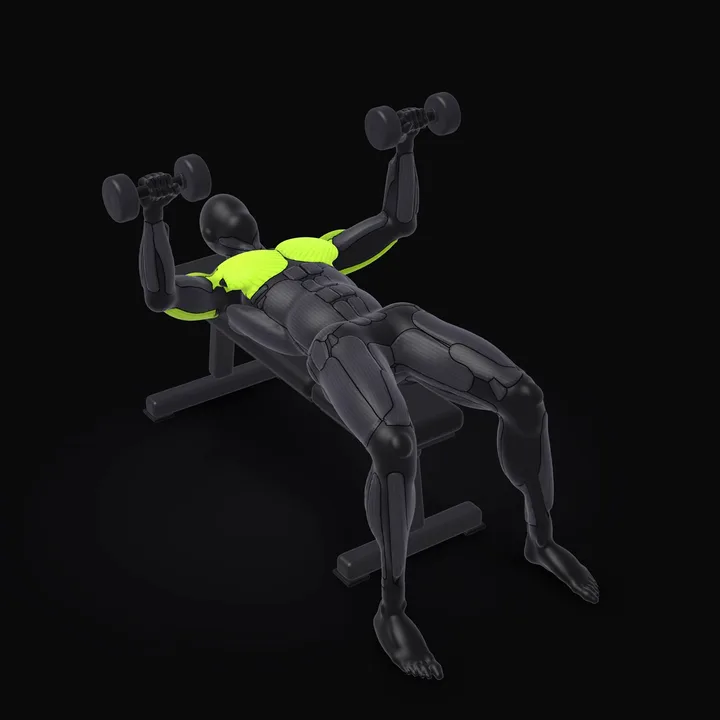 Dumbbell Bench PressSit on the end of the bench with the dumbbells on your thighs, then lie back bringing them beside your chest. Keep your feet on the floor and your shoulder blades pulled back.How to do the Dumbbell Bench Press →
This is the sweet spot for most people: it covers a full hypertrophy program in a small room.
Adjustable or fixed dumbbells?
Dumbbells are the core of most home gyms, so it’s worth choosing the type carefully.
| Type | Good | Not so good |
|---|---|---|
| Dial or selector adjustable dumbbells | Very compact, quick weight changes, ideal for supersets | Bulky handles, some models feel awkward on presses and rows, mechanism can break if dropped |
| Plate-loaded (spinlock) dumbbells | Cheap, durable, can grow with extra plates | Slow to change weight, collars need checking every set |
| Fixed dumbbells | Fastest and most comfortable, nothing to break | Take a lot of space and cost the most for a full range |
For a small room, selector dumbbells are hard to beat. If you drop weights a lot or train hard to failure on presses, plate-loaded handles are more forgiving. Whatever you choose, check the maximum weight and the jump between settings: going from 10 kg to 15 kg per hand on lateral raises is a 50 % jump, too big to progress smoothly. Jumps of 2–2.5 kg per hand are much easier to work with.
A note on numbers: in your log, it helps to record dumbbells consistently. Brick, for example, logs the total in hand, so two 20 kg dumbbells show as 40 kg.
Tier 3: the barbell home gym (garage or dedicated room)
| Item | Why | Notes |
|---|---|---|
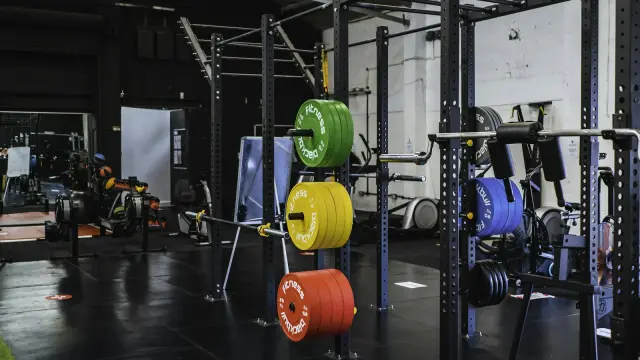
| Power rack or squat stand with safety arms | Safe heavy squats and bench alone | Safety arms or pins are non-negotiable if you train alone |
| Olympic barbell (20 kg / 45 lb) | Squat, bench, deadlift, press, row | Look for decent knurling and a good sleeve spin |
| Plates (start ~100–150 kg / 220–330 lb total) | Load | Bumper plates are quieter and floor-friendly; iron is cheaper |
| Lifting platform or thick rubber flooring | Protects floor and equipment | Essential for deadlifts |
| Collars | Safety | Cheap, important |
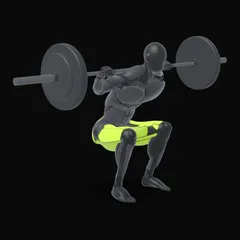
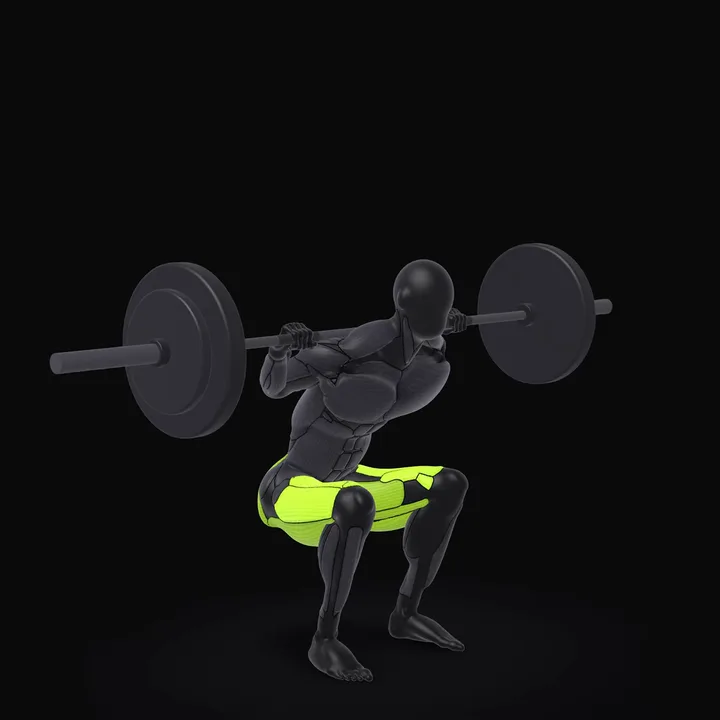 Barbell SquatPlace the bar on your upper back, not on your neck, and step out of the rack. Stand with feet slightly wider than shoulder width, toes turned out a little.How to do the Barbell Squat →
This unlocks heavy squats, bench press and deadlifts, the most efficient way to build strength. Pair it with a structured plan like a full-body workout plan.
Nice-to-have add-ons
- Dip station or dip attachment for the rack
- Landmine attachment
- Cable or lat pulldown attachment for the rack
- Fractional plates (0.5–1.25 kg) for slow, steady progression
- Mirror for technique
- A fan (garages get hot)
Gym exercise, home gym version
Most gym machines have a home equivalent that works the same muscles. If you’re moving from a commercial gym to a home setup, here’s what to swap:
| Gym exercise | Home gym swap | Equipment |
|---|---|---|
| Lat pulldown | Pull-ups, or band-assisted pull-ups | Pull-up bar, bands |
| Seated cable row | Chest-supported dumbbell row or inverted rows on rings | Bench, dumbbells or rings |
| Leg press | Bulgarian split squat | Dumbbells, bench |
| Leg curl | Nordic curl or ball leg curl | Something to anchor your feet, or a gym ball |
| Cable fly | Dumbbell fly or band fly | Bench or bands |
| Machine chest press | Dumbbell floor press or bench press | Dumbbells |
| Assisted dip machine | Ring dips with feet on the floor | Rings |
| Face pull machine | Band pull-aparts or band face pulls | Bands |
The swaps aren’t identical, and that’s fine. A Bulgarian split squat with 2 × 20 kg dumbbells is plenty for most people’s legs.
When your dumbbells feel too light
This is the classic home gym problem: your arms and shoulders are fine, but your legs and back outgrow the dumbbells within months. Before buying heavier ones, try these in order:
- Go one-sided. A Bulgarian split squat or single-leg Romanian deadlift doubles the load on each leg with the same dumbbells.
- Push the rep range. Sets of 15–30 reps build muscle as long as they’re taken close to failure.
- Slow the lowering to 3–4 seconds and add a pause at the bottom.
- Use 1½ reps: go down, come halfway up, go back down, then come all the way up. That counts as one rep.
- Increase range of motion: deficit split squats with your front foot on a plate, or deficit push-ups between two dumbbells.
These buy you time, often a lot of it, but at some point heavier weights are simply more efficient. When sets of 25+ reps start to feel like cardio, it’s time to upgrade. The general principle is the same as at any gym: progressive overload in whatever form you can manage.
What to skip (at first)
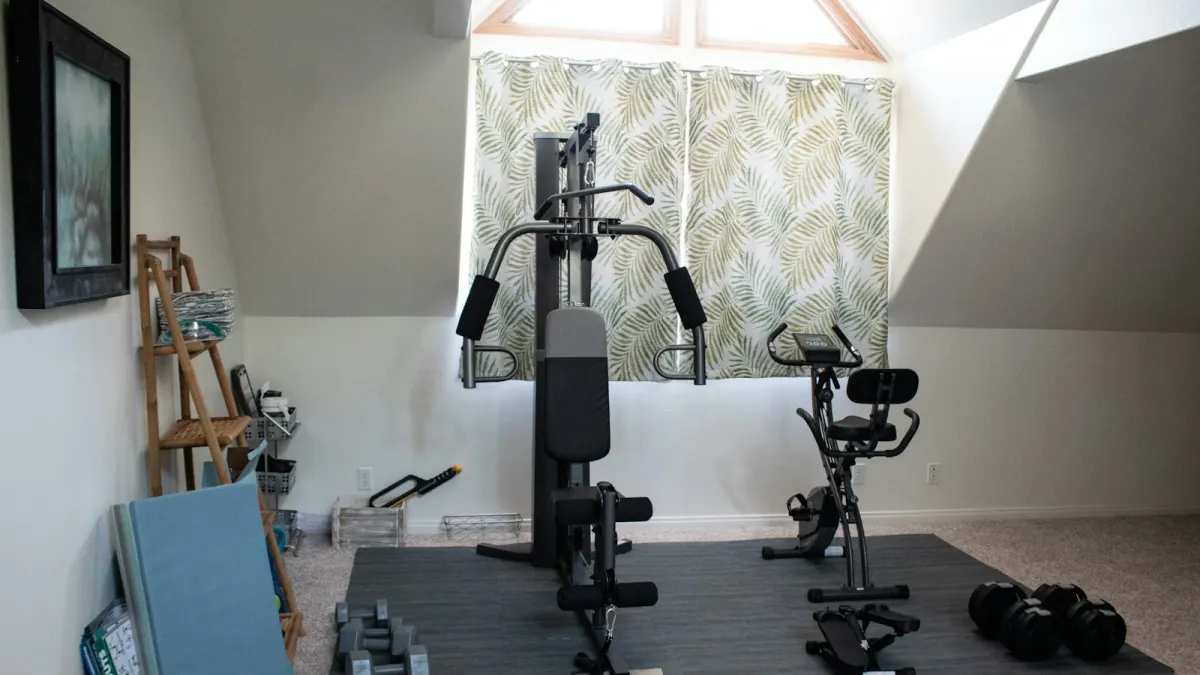
- Multi-gym machines with lots of stations: often bulky, limited weight, awkward movements.
- Ab gadgets: planks, dead bugs and leg raises are free.
- Vibration plates, sauna suits, “toning” gadgets.
- Very light dumbbell sets only (1–10 kg): you’ll outgrow them in weeks.
- A treadmill, unless you’ll genuinely use it. Walk outside instead.
Buying second-hand
Strength equipment is one of the best things to buy used. Iron plates, dumbbells, barbells and racks barely wear out, and people sell them cheaply after giving up on New Year’s resolutions. Check:
- Barbells: roll it on the floor to check it’s straight; sleeves should spin freely.
- Racks: no cracked welds, all pins and safety arms included, and the uprights’ hole spacing suits you.
- Adjustable dumbbells: the selection mechanism works smoothly at every weight; broken locking parts are a safety issue.
- Benches: stable with no wobble, padding intact, adjustment pins secure.
Avoid used items where failure is dangerous and hard to inspect, such as worn resistance bands or cheap doorway bars with bent hooks.
A sample week with a Tier 2 home gym
| Day | Session |
|---|---|
| Monday | Goblet squat, dumbbell bench press, one-arm row, lateral raise, curl |
| Wednesday | Dumbbell Romanian deadlift, incline press, pull-ups, split squat, triceps extension |
| Friday | Kettlebell swing, floor or bench press, chest-supported row, lunge, plank |
Three sets per exercise, 8–15 reps, last reps hard. Add reps until you hit the top of the range, then go heavier.
Here’s what that looks like on the goblet squat for someone with adjustable dumbbells that go up in 2.5 kg steps:
| Week | Goblet squat | What happened |
|---|---|---|
| 1 | 3 × 10, 10, 9 at 20 kg | Starting point, about 2 reps left on the last set |
| 2 | 3 × 12, 11, 10 at 20 kg | Added reps |
| 3 | 3 × 15, 14, 13 at 20 kg | Close to the top of the range |
| 4 | 3 × 15, 15, 15 at 20 kg | Top of the range on every set: go to 22.5 kg next week and start again around 10 reps |
Only have two days a week? Do Monday and Friday and add the split squat and pull-ups to Friday. Fewer sessions, same rules.
Space planning
| Setup | Floor space | Ceiling |
|---|---|---|
| Dumbbells + bench | ~2 × 2 m (6.5 × 6.5 ft) | Standard room |
| + pull-up bar | Doorway or wall | ~2.3 m (7.5 ft) for full hangs |
| Rack + barbell | ~3 × 3 m (10 × 10 ft), 2.2 m (7 ft) width for the bar | 2.3–2.4 m (7.5–8 ft) for pull-ups and standing presses |
Barbells are 2.2 m (7 ft) long: measure twice. On upper floors, check your floor can take the weight and use thick rubber mats to spread the load and reduce noise.
Making a home gym work long term
The downside of home training is that nobody’s watching and it’s easy to drift. Three habits help:
- Follow a written plan, not “whatever I feel like.”
- Log every session so you keep progressing even with limited equipment; see how to keep a workout log.
- Use progression tools: more reps, slower tempo, harder variations, extra sets, when you can’t add weight.
Brick works the same at home as in a gym: build routines around the equipment you have, see last time’s numbers on every set, and let the rest timer run while you change plates. The exercise library includes dumbbell, kettlebell, band and bodyweight exercises with 3D animations, so you can find alternatives for anything you don’t have. For dumbbells, Brick logs the total in hand (two 20 kg dumbbells = 40 kg), which keeps your numbers consistent.
Frequently asked questions
What is the single best piece of home gym equipment?
For most people, a pair of adjustable dumbbells. They cover pressing, rowing, squatting, hinging and arm work in very little space. A pull-up bar is a close second for its low cost.
Can you build muscle with a home gym?
Yes. Muscle responds to hard sets and progressive overload, not to the brand of equipment. With dumbbells heavy enough to challenge you, a bench and a pull-up bar, you can build muscle very effectively at home.
How much space do I need for a home gym?
A dumbbell setup with a bench needs about 2 × 2 m (6.5 × 6.5 ft). A full rack with a barbell needs about 3 × 3 m (10 × 10 ft) and enough ceiling height for overhead pressing and pull-ups, usually at least 2.3–2.4 m (7.5–8 ft).
Should I buy a treadmill or bike for my home gym?
Only if you'll use it regularly and have the space. For most lifters, walking outside, a skipping rope or an affordable bike is enough cardio. Put your budget into strength equipment first.
Are adjustable dumbbells worth it?
For most home gyms, yes. One pair replaces a full rack of fixed dumbbells in a fraction of the floor space. Check the maximum weight is high enough for your legs and back, and that the jumps between settings are small enough for lateral raises and curls.